Books From The Pantry: Butterfly Bones by Rebecca Carpenter

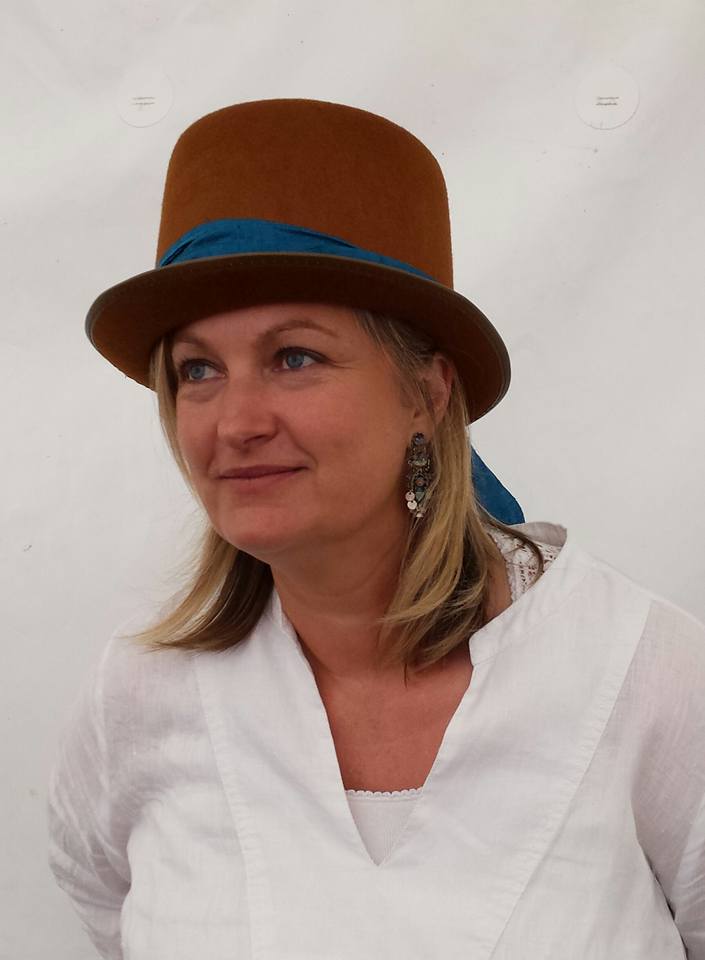
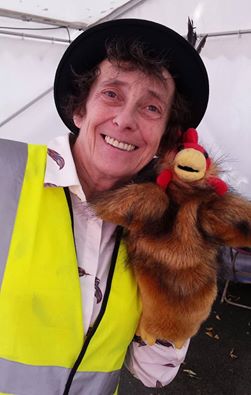
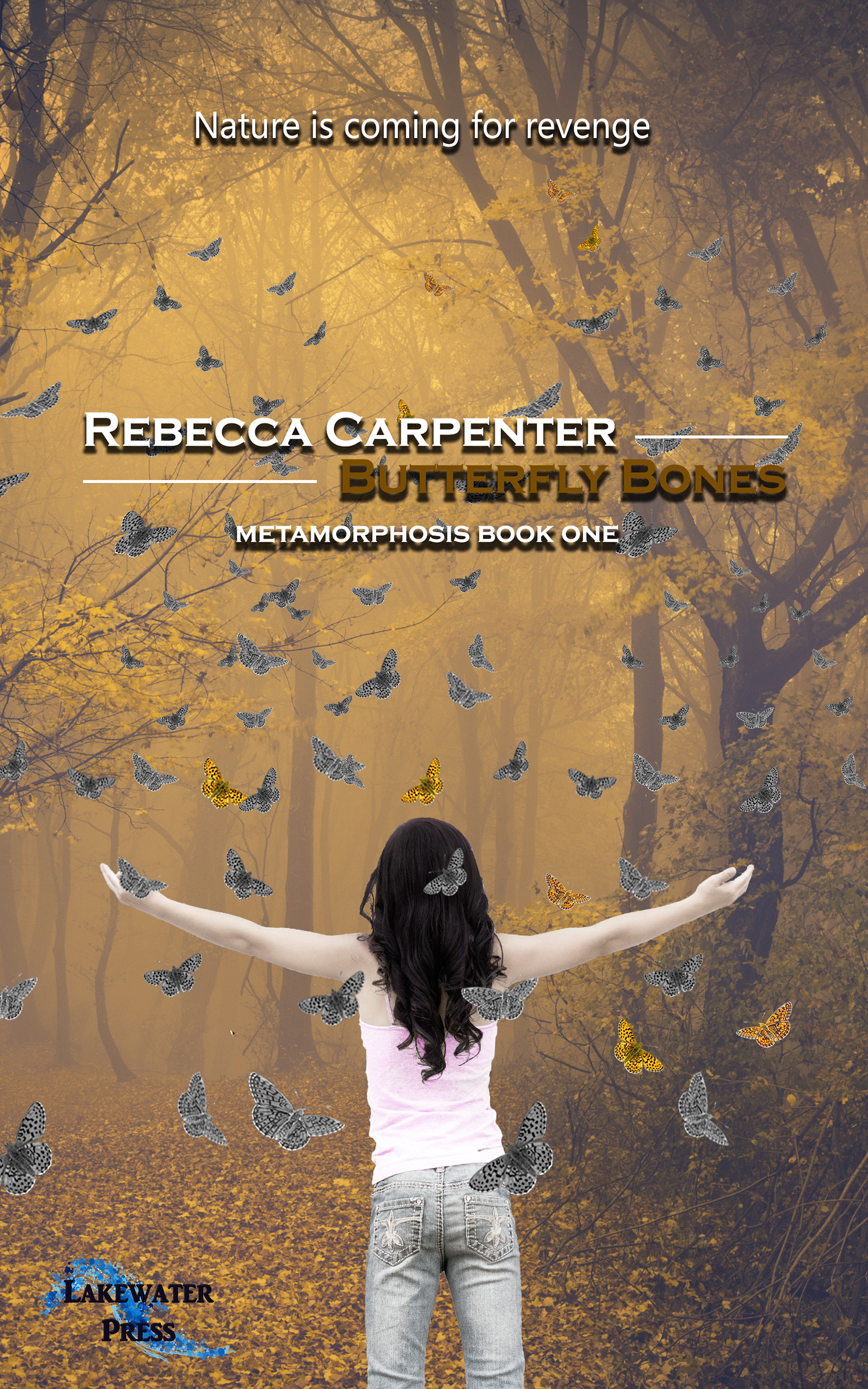
rebecca-author-photobutterfly-bones-ecover-with-series

We’re delighted to welcome debut YA author Rebecca Carpenter to the shelves today. Her contemporary science fiction Butterfly Bones has just been released and is certainly making waves with reviewers. Its themes are dark, deep, and haunting, but Rebecca isn’t afraid to tackle life’s tough issues.

Rebecca, tell us about your background. How did you come to be a writer? Did you excel in English at school?

I’ve always loved writing. English was my best and favourite subject. I started writing poetry at a young age, followed by stories and song lyrics. As a teenager, I loved keeping a diary. But I didn’t become serious about writing until 2011 when I decided to write a screenplay. Two screenplays later, I wrote my memoir, The Total Deconstruction of Chloe Wilson, a young adult story about my teen pregnancy. Butterfly Bones, as well as six picture books and a middle grade novel, have since followed.

Butterfly Bones is an intense and haunting read; the main character really does have a terrible time with bullying on top of having a bone disorder. Can you tell us what made you choose such traumatic themes? And the butterflies and science – is this something you’re simply interested in?

I chose topics that are difficult, yet real. Bullying is a real problem for many teens, and those with physical or mental disabilities are at even more risk of being singled out for these differences. And honestly, this is the story that Bethany told me to write. As far as the butterflies and science, the unit I teach my pre-kindergarten class about caterpillars and butterflies is one of my favourites. The concept of starting as one thing – a larva – and then through tumultuous changes metamorphosing into an insect is truly miraculous. Applying this concept to people became something I had to attempt in my writing. I love science. Again, teaching young children, one of the best parts of my job is to explore and experiment with all kinds of things, helping my students to develop a love and respect for nature and the world around us.

The book has been described by a lot of readers as utterly unique. How on earth did you come up with such an unusual storyline?

It literally came to me from a song by The Cure, ‘Caterpillar’. I knew as soon as it came to me that I had to write it. Matter of fact, I felt driven in a way I had never felt before. I was constantly writing notes all over the place as the story developed and poured from me. I have pages upon pages of scrap paper with first draft ideas scribbled on them. I finally got smarter and bought a bunch of spiral notebooks to keep at work, home, and even my vehicle so I could better organize my thoughts.

Has becoming a published author been easy? How has the experience been for you so far?

Becoming a published author has been a five-year endeavour of revisions and tears. But the journey has made me a better writer and made Butterfly Bones a strong young adult novel.

Butterfly Bones is the first in the Metamorphosis series. When should fans expect book two? It’s well documented that writing the second book in a series can be terrifying and difficult; how have you found writing the sequel?

I’m hoping to have book two finished and ready for my editor by May, 2017. But I’ll push for earlier if possible. Writing the sequel has been difficult in the fact that I have to start all over in my writing, acting as if no one has read the first book, or that the first book even exists. Weaving the important backstory so the reader understands what’s happening is tricky. If I add too much at a time, it becomes an info dump. But not enough and the reader might be confused. And since the character doesn’t go through metamorphosis in this book, I have to dig deep to find another source of science fiction. But one of the joys of this story has been writing in multi POV, and one of the characters is told in free verse. I love poetry, and so this has been a pure delight to write.

They say now that a writer’s job is no longer just about the writing. Do you agree? What kinds of things have you done to market your book and receive reviews?

It’s all about the marketing. Writing is the easy part. I seriously think just as many writing workshops should focus on marketing as they do on craft. I don’t think any new author is ready for the work that marketing requires. The biggest thing has been creating my author brand and being active on social media. Building an audience takes time … and tonnes of patience.

What kind of books do you like to read in your free time? Any favourites? Any authors who have particularly inspired you and your writing?

I don’t have a favorite genre. But I do love to read YA. But it must be well written or I move on to something else. Due to my passion for working with children, I mostly read children’s books. Which I love. Shell Silverstein and Jan Brett are two of my favourite children’s authors. I also love a good mystery/thriller. Defending Jacob by William Landay has become my favourite thriller. I collect books about the assassination of John F. Kennedy, and I inherited a large collection of books on all the American presidents that I hope to read some day.

What’s a typical day for you? How and when do you fit in writing? Do you write in one particular spot or do you like to move around? Where do you find inspiration?

Weekdays I awaken at 5:15 a.m. and am off to start my job of running a large childcare/preschool by 6:15. I work until 5:45 p.m. and then I’m home for dinner with my hubby. Evenings are spent reading submissions for a small press, editing manuscripts for clients, or writing. Then it’s off to bed and it starts all over again. Weekends I do as much writing as possible, but if I have an editing job, it takes precedence and requires most of that time.

For those who are pursuing the dream of publication, what advice might you offer them?

Never give up. Keep writing. Keep reading in the genre that you’re writing. And always look for opportunities to learn and hone your craft. It took me five years to publish Butterfly Bones – five years of learning how to be a better writer and how to write a stronger story.

What other talents do you have? Any party tricks you can tell us about? How about the best day of your life?

I’m a great cook and love to bake. My husband calls me his “gourmet chef”. I collect cook books and get excited about trying new recipes. Homemade marinara sauce is one of my trademarks. I enjoy crafts like wreath making, and I dabble in pencil sketches. I took tap dance as a child and like to strap on a pair of tap shoes and drive my hubby crazy with all the noise. The best day of my life was the day I married my husband, Cory. He makes my life interesting and makes me laugh every day. He’s my best friend and I’m sure we have many best days ahead of us.

If you want to find out more about Rebecca and her writing check out her website, and of course, grab a copy of Butterfly Bones whilst you’re cruising the internet – not only is it well worth the read, but if you buy a copy in December, the publisher will enter you in a draw to win a Kindle!
 

Books From The Pantry: Sightings by Elisabeth Sennitt Clough, reviewed by Colette Victor


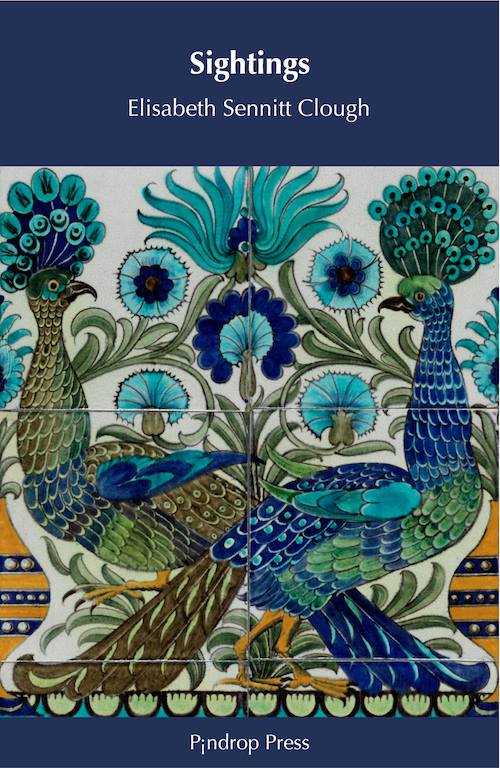
sightings-3

In between the neat black letters on the white pages of Elisabeth Sennitt Clough’s collection of poems, Sightings, crawl glowing beasts and scaled monsters, the ghost of a father, a fire-haired mother and the ‘small pink son she gave away’ as well as a brute of a stepfather. The poet tells of girls so inconsequential their own mothers forget about them, and boys with small gold hairs like tinsel on their arms. She brings her subjects alive through her use of rich sensory imagery and lines that are so precise they make your heart ache. This the kind of poetry you can’t help walking away from with goose flesh all over your body for its honesty, its rawness and the poet’s disarming willingness to bare all. Sennitt Clough, as she states so eloquently herself in ‘The Glass Collar’, brings her childhood to therapy in this collection of unforgiving poems. In ‘Threshold’ the art teacher remarks that the girl’s art contains a subtle anger, but there’s nothing subtle about Sennitt Clough’s anger. And yet, at the same time, it’s fragile too, ready to break into a thousand shards at any moment, like the glass collar in the poem by the same name. In the title poem ‘Sightings’ she tells of a peacock that is the rarest of gifts. Sennitt Clough’s collection is just such a peacock, the rarest of gifts, one you cannot walk away from unchanged.

Elisabeth Sennitt Clough was born in Ely and now lives in Norfolk with her husband and three children. Her pamphlet Glass was a winner in the Paper Swans inaugural pamphlet competition and her debut collection Sightings is forthcoming from Pindrop Press. Her poems have appeared in The Rialto, Mslexia, Magma, Stand and The Cannons’ Mouth.

www.elisabethsennittclough.co.uk

Colette Victor is a twice published author. Both her books, the YA novel Head Over Heart (Chicken House, 2014) as well as the literary novel What To Do With Lobsters In a Place Like Klippiesfontein (Cargo Publishing, 2015) were finalists in two well-respected debut novel competitions. Her novels have been translated into German.

www.colettevictor.be

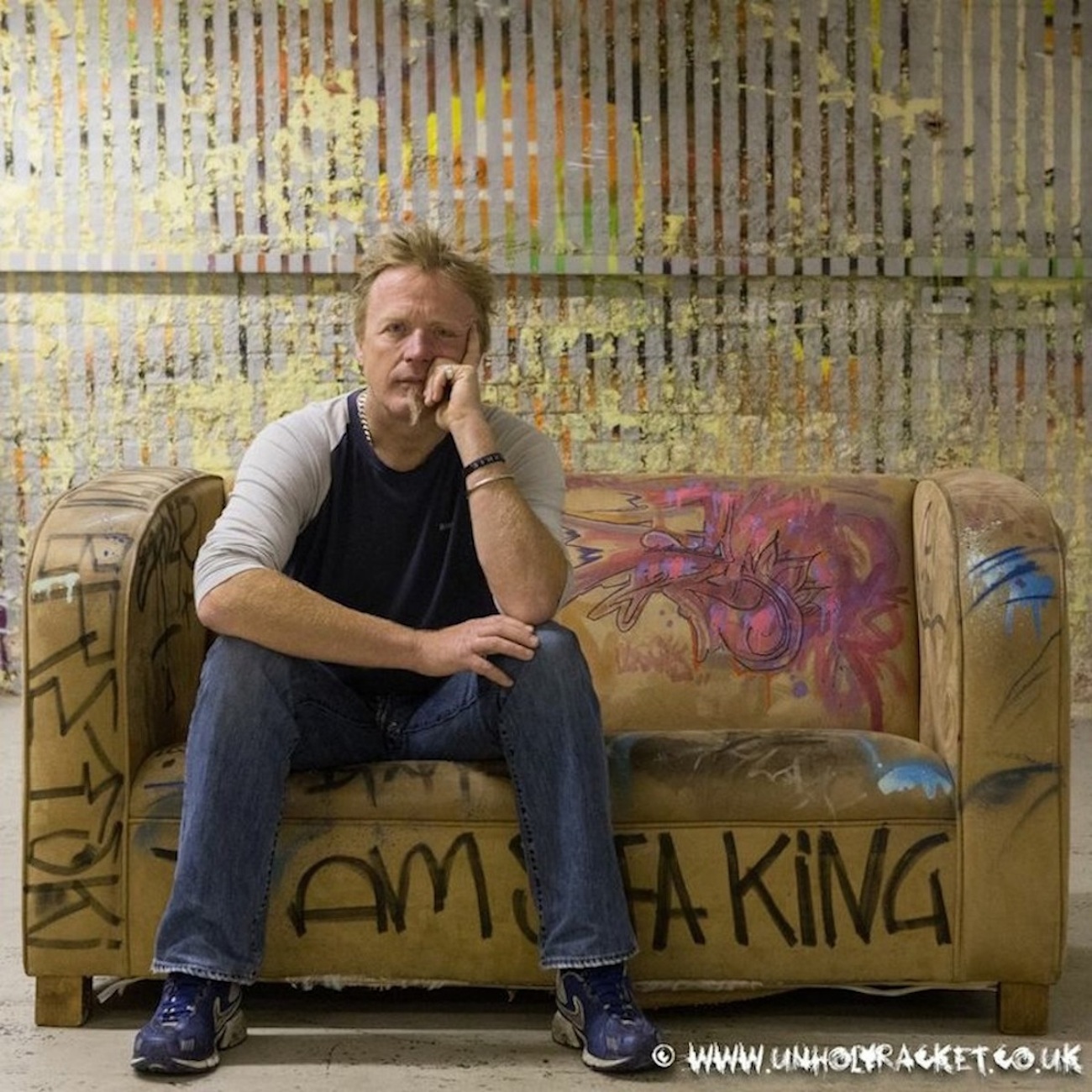
Inky Interview: Performance Poet Steve Pottinger

sofa

Can you please tell Ink Pantry about your journey as a performance poet?

Like a lot of poets, I started by sharing my work with a group who met in a pub near where I lived at the time. I found it terrifying and exhilarating in equal measure. Soon after, I was lucky enough to work with poet Joolz Denby, who taught me a huge amount about stagecraft and performance. Since then I’ve continued to learn from watching and listening to other poets and developed my own style on stage, my own way of delivering my work. As in any field, persistence and good fortune have definitely played their part.

Have you any tips for budding performance poets?

Watch, listen, learn. Get up and read. If it goes well, try and work out why. If it doesn’t, do the same.

You recently had great success with your excellent poem about Brexit called ‘Stabberjocky’, mixing Lewis Carroll’s verse with political satire. Love your invention of the word ‘Machiavelliadastardly’! Do you think humour helps people to engage and think about important issues? Has ‘Stabberjocky’ been set to music now?

Humour certainly helps me engage with important issues, which is why I so often take a wry, slightly offbeat approach to serious subjects. I want to engage people, and I don’t believe you do that by a) shouting at them, or b) hitting them over the head with a list of everything that’s wrong in the world. That wouldn’t spark my interest, so why would it do so for anyone else?

‘Stabberjocky’ has been set to music by the wonderful and generous Birmingham music collective Swoomptheeng, and you can listen to it here:

Stabberjocky

Are politics a recurring theme in your work? What do you care about the most?

If you’ve access to power and wealth and influence, it’s easy to take it for granted. A goodly proportion of my work looks at life from the perspective of those who don’t enjoy the privilege of that access. In an era where politicians seem more ready than ever to dismiss people who aren’t like ‘us’ as unworthy of being treated with respect, I try and offer a quiet reminder of our common humanity. I’m utterly passionate about the importance of that.

You have several poetry collections published. Can you tell us about them?

My first two collections were pamphlets I got printed up, stapled together by hand while sitting in my front room listening to music, and sold in pubs and student unions. I then had two collections published by AK Press, who saw me doing a performance spot supporting Chumbawamba and thought my work deserved a wider audience. Latterly, Island Songs was published by Ignite Books in 2012, and in Spring 2014 this was followed by More Bees Bigger Bonnets, which I think is my best work yet. (They’re both on sale via my website, btw!)

Can you tell us about the poetry scene that you are part of? Which festivals/poetry venues have you performed at? Which would you recommend?

I don’t know that I’m part of a scene – I just write my work and try to find places to read it! I believe in taking poetry out into the big wide world, sharing it with people, and hopefully overturning their preconceived ideas of just what poetry is. One of the most wonderful things about poetry is that anyone can have a go at it,  say what they want to say, and find their voice. I love the moment when somebody ‘gets’ that.

I’ve performed at festivals as diverse as Beautiful Days and Rebellion, and in the upstairs rooms of pubs and poetry evenings from Brighton up to Glasgow. I still enjoy the romance of life on the road, and getting up in front of an audience to share my work, listen to other poets, and make some sort of connection. There are very few places I wouldn’t recommend, and I’ll keep those to myself!

Tell us about your creative process.

It varies a lot. Sometimes I wake up in the middle of the night, or first thing in the morning, with a poem that’s just about fully formed and just needs me to write it down before I distract myself with the business of the day. Almost always, those will have been about subjects I’ve actively been chewing on for a while, but got nowhere with. More often, I’ll find a line or two, or an image, which provides a way to sidle up on the poem I’m trying to snare. I’m a great believer in allowing my subconscious to filter though my draft ideas while I go and do something entirely unrelated – riding my mountain bike, or going for a swim – before coming back to hew them into shape.

What’s your favourite book and why?

I have a real soft spot for detective novels and could spend days reading one after another. But if you left me on a desert island with just one book, it would have to be Beauty Douglas, the collected poems of Adrian Mitchell. A friend gave me a copy of it when I was at uni, and Mitchell’s work never fails to inspire me with its range of subject matter and style, with its joy, hope, love, and anger. It also reminds me to retain a sense of humility about my own work.

Can you share with us a couple of examples of your own poems and walk us through the ideas behind them?

I always hated English classes where you had to analyse a poem – write about the cumulative effect, sibilance, metaphor and the like. It felt like ripping a butterfly apart to see how it worked. So this question made my blood run cold. Here’s a broad outline of the motivation behind two of my poems, both from Island Songs.

Spring

In life, we all too often opt for – or are offered – simple binary choices. A thing is good or it’s bad. Something is black or it’s white. You’re with us or you’re against us. And so on. In my experience, this rarely does a subject justice. Worse than that, it encourages the belief that the world is a simple place, easily understood through these choices. It isn’t.

In my poem ‘Spring’ I wanted to unravel the complexity of my thoughts about war, to bring into play and up for discussion a host of issues: our society’s readiness for war, media spin, the bravery of troops, the realpolitik of politicians, the grief of families, and our complicity as an audience who watch the violence via our TV. I also wanted to put all that in perspective, set it in a longer time frame than the 24-7 of the rolling news. So I wove my poem against the backdrop of the turning of the seasons, the fact the world moves on, and the fragile yet inextinguishable nature of hope, symbolised here by the delicate white blossom of the hawthorn every Spring.

Tumbling Stumbling Pachyderm Blues

After throwing a complex political poem at you, here’s a love poem. I often approach my poems at a tangent, hoping to find a way in to the subject which will engage listeners or readers without triggering a here-we-go-again response from them. This is a poem about love, and hope, and about reassuring a partner whose fear is leading them to expect disappointment, who is seeing the worm but not the apple.

If you could change the world, what is the first thing you would consider?

What a question! What would I do? End the need for foodbanks? Make a hippie out of Donald Trump? Close down the Daily Mail? So many possibilities.

Who inspires you?

I don’t have many heroes – I’m aware most of us have feet of clay. But I’m genuinely inspired, every day, by people’s generosity, kindness, resilience, and fortitude, their drive, their love, and their optimism. At our best, we’re wonderful, loving little monkeys, and I take great heart from that.

Tell us about one of the best days of your life.

I can’t. We’d both blush.

What is next for you? What are your plans?

There’s some old saw about life being what happens while you’re making other plans. All things being equal, I’m hoping to put together a new volume of poetry, as well as a book of short stories, and do gigs in places I’ve never been. There’s also the likelihood of an interesting collaboration with a couple of other poets, which I’m very excited about, and the distinct possibility of a visit to Edinburgh Fringe. Oh, and some days out on the motorbike in beautiful countryside would top it off nicely. And maybe a beer.

Steve’s Books

Website

Twitter

2016 Inktober Winner for Spoken Word: Nelson Mandela by Helen Kay

In a warm ward, gently you slip away
but what an empty space when you are gone.
The press, in love with easy stories, paves
the way with clichés comfortable, stable,
critical, awaiting the volcano of lament.
You outlived Thatcher and her legacy,
and, safely distanced by a sea of years
from words like communist and terrorist,
we all bow down to your integrity.
The barbed wire of apartheid has been cut.
There are some who will pay respect,
omitting to admit allegiances
to groups that wanted you to swing.
But you have taught us not to cling to grudges.
You shaped our youth, hungover misfits.
In a town square, begging signatures,
posters for AA gigs on boarded houses,
hosting SWAPO speakers on the floor
amongst the Merrydown and Rizzla papers,
debating dropouts, Trots and battered miners.
While the blood of Soweto stained the earth,
we learned about Rivonia, and laws
that thinly masked white fear; you learned
to cradle sanity in concrete walls.
Events outside were somehow dripped to you:
Your mother’s death, the raid on Lillesleaf farm,
and Winnie’s punishments. Your greater
suffering shrank our suffering down,
though still significant and somehow linked.
Exposed to labour, torture, hunger
you led inmates to fight with dignity.
For every clenched fist holds the bigger fight.
The world rejoiced the moment you walked free.
Small step, big step, holding Winnie’s hand,
a simple act amidst complexities
which you well understood, sought to pick through,
to wash the language of resistance clean,
while dreams of family life were swept away.
Now illness is your final prison, but your love
and legacy have been released and grow
upon the fertile soils of hope and peace.
We raise a fist and let Mandela free.

2016 Inktober Winner for Prose: Tunnel Vision by Donna Day

tunnel

I can’t remember now when the first time he appeared was, but it was obviously some time after he had died.  

He comes all the time now. I sit there, in my toll booth at the end of the Kingsway tunnel, handing out change, over and over, and he appears, out of nowhere. I don’t even jump anymore. He says, ‘What are you doing with your life, Lauren?’ I say, ‘Leave me alone, John,’ and he vanishes.

It’s particularly cold and wet tonight. There are two kinds of drivers on nights like these. The ones that all wrapped up in their car, cosy and cheery, just thinking about that nice cup of tea at the end of their journey. They have a smile for you. Then there’s the grumpy ones, annoyed at the world, the rain, everything. They’re especially annoyed at having to pay in order to get through that ‘stinking tunnel’. It’s after they drive off that John appears.

It’s two years now since my older brother left us. He had been sick for so long that, well, he wasn’t in pain anymore, and I guess that’s something. He had said to me that he couldn’t remember what it was like to not be in pain. To not hurt all over every single day. He wanted it to be over.  

But when it happened, everything fell apart.  

I was in the middle of writing my dissertation at the time. It was something like three weeks before it was due in. From Brooks to Moss: How Party Girls Changed Fashion. I was granted an extension, obviously, but every word I’d written seemed so superficial, ridiculous. The musings of a silly ignorant girl who went to university to drink and, well…

I thought about going back at one point. Maybe study medicine. See if I could save lives, stop someone else going through the pain I was living with. But I’m not clever enough, definitely not rich enough. So I got this job. It’s boring, but it pays the bills. Plus, I work a lot of nights. It’s quieter, and I don’t have to come up with excuses not to see people, because they know I’m working. I just can’t face it. Going out, getting pissed, getting laid. What’s it all for? Nothing. If I’m going to drink I’d rather have a nice malt, neat, by myself in the quiet and the dark where I can appreciate it.  

‘What are you doing with your life, Lauren?’

‘Leave me alone, John,’ I say, rubbing the tears out of my eyes.

‘No, not tonight.’

What? That’s new. I dry my eyes with the back of my sleeve and look at him, in the corner of my booth, smiling. He looks exactly the same as he always did. Well, the same as he always did, before. I’m hallucinating. I’ve lost it. I pick up my phone and stare at it. A distraction. That’s what I need to clear my head.  

‘That’s not going to make me go away, Lauren,’ John says. ‘Besides, no-one ever texts you or anything now anyway.’

‘Wh-what do you want?’ I stammer, the screen blurring through my tears.

‘Ah, first night memories,’ he says, leaning back laughing. ‘Are we going to go through it all again, or do you remember it as fondly as I do?’

I put my head in my hands and can feel my breath getting quicker. I feel sick. This can’t be real. It isn’t happening.

‘Come on, Lauren,’ John says, pleadingly. ‘Please don’t be like that. I thought you’d gotten used to my visits by now. I thought if you could get used to me, you would talk to me. You’d started to seem so flippant about it and –’

‘Shut up!’ I yell. ‘You’re not here! You’re dead!’

‘Yes, I am,’ John says. ‘I’m dead. My life’s over, done, finito. Everything I had, everything I was, everything I wanted, gone. Just like that. And you’re here wasting the time you have.’

‘You’re not here, this isn’t real,’ I whisper to myself, over and over. I rub my eyes with the back of my hand. I look in the corner of the booth and John’s still there grinning widely. ‘What do you want?’ I ask, slowly.

‘I want my little sister to live her life. I want her to stop sitting about in the dark. I want her to stop avoiding everything and everyone,’ John says, quietly.

‘I’m doing OK,’ I say.  

John laughs ruefully. ‘Do you know what’s at the other end of that tunnel?’ he asks, nodding towards the small window.

‘’Course I do,’ I say. ‘Liverpool.’

‘No, Lauren,’ he says. ‘At the end of that tunnel is the world. What are you doing with your life, Lauren?’ he asks. ‘What are you doing with your life?’

‘I get by,’ I say.  

‘Nothing, nothing, nothing. Nothing at all,’ John says, as if I hadn’t said anything. ‘You’re throwing it away living in a box at the end of a tunnel. But that tunnel could take you somewhere, if you would just let it. Come on, Lauren. When you got this job you told Mum and Dad it was temporary. You just needed some time and then you’d go back to university. Fashion, medicine, whatever. Fuck’s sake, no-one even cares if you want to work in here for the rest of your life, but you don’t. You’re miserable. People only want you to be happy. What happened to your dreams, Lauren? Why have you given up?’

‘When you got sick,’ I stammer, tears streaming down my face.

‘When I got sick, I died,’ John says. ‘You didn’t.’

I look up at him. My big brother. How he was, before. Strong. Always taking care of me. ‘I have responsibilities,’ I mutter.

‘No, you don’t,’ he says, laughing. ‘What? Mum and Dad have each other. Their only worry is you. You rent your house. You and Tom split up last week.’

‘How do you know about that?’ I ask.  

‘All seeing, all knowing,’ he says, tapping his temple. ‘Comes with the transparent complexion.’

I frown at him. ‘You haven’t changed,’ I say.

‘No, neither have you,’ he replies. ‘That’s the problem.’

‘Are you real?’ I ask.

John just smiles at me and reaches out his hand. ‘Come on, kid, this is your last chance. I don’t think they’ll let me come again.’

I glance out of the tiny window at the cars passing through the tunnel. Everyone’s going somewhere, and he’s right. I’m going nowhere.

‘No-one’s been to my booth for ages,’ I say, confused.

‘Don’t worry about them,’ John says. ‘They don’t need you anymore.’

He reaches out, and I take his hand. It’s cold but surprisingly solid. He gently pulls me up and then we’re in the tunnel, passing over cars as if they aren’t even there. I can see a light ahead, but it’s not the light my brother went through two years ago.

I cling a little tighter to his hand. He smiles at me, and says, ‘There I was thinking you wanted me to go away.’ And he laughs and I laugh. I hear him whisper ‘You’re going to be fine’ in my ear before I realise that it’s daylight and I’m walking into John Moores Uni, for the first time in forever, my nails embedded deep in my palm.


2016 Inktober Winner for Poetry: In Credit by Pat Edwards

hourglass

In Credit

Measured like pocket money,

time is best saved up and stored,

or at least never spent all in one go.

Unless, of course, there is something

you have craved for ages, and the urge

to flash the cash is worth the risk.


At ninety-two Dad had eeked it out

and got off pretty lightly, given

cigars and gambling and their tendency

to nibble away at human resources.

Horses for courses, but the flat season

has given way to not such great odds.


At fifty-seven I had just a small stash

of cash in the attic. I should be sitting

pretty as the bus pass and pension

draw near but how many times

can you start and re-start the sand

as it trickles to a conical heap below?


We all make our withdrawals like

there is no tomorrow, or like the

rainy day is a myth, never to dampen

our blithe spirits or offend our

investment in forever. But sooner

or later the nasty stuff hits the fan.


Borrowed time is no time like the

present and being in the moment

is the universal currency. That will

do nicely says the man at the till

as you chip and pin your way to

the very edge of your allowance.


Inky Interview Special: Poet Emma Purshouse

emma

Can you please tell Ink Pantry about your journey as a performance poet?

I’d always written ever since I was a child. My first poem was published in the ‘Brownie Magazine’ when I was about six or seven. I remember the excitement of seeing my name in print, of feeling that something I’d done was valued.

I’ve only been performing my poetry for just over ten years. A work colleague knew I wrote and asked me to read at a charity event he was putting on. He was very persuasive, and I said yes. I was sick with nerves the first time I read, it was almost like an out of body experience. However, the audience laughed at the punch line and that was me hooked. That’s the best sort of buzz for me, making someone laugh.

From there someone asked me to perform somewhere else, and so I did. And that just seemed to keep happening.

Have you any advice for budding poetry slammers? How do you prepare for a slam? 

Don’t take slams too seriously in terms of the winning and losing. They are very subjective. I’ve gone out in the first round with the same poem that I’ve also won a slam with. In my opinion, it’s best to treat slams as a chance to showcase for three minutes, six if you’re lucky, and nine if you’re very lucky. Plus, it’s a superb way to network and meet other poets. The poetry scene is lovely and supportive in my experience. I always prepare for slams by putting in the work to rehearse my pieces over and over. I also time my work, including anything I want to say about the poem. Slams have strict time limits for the rounds, so you need to get it right.

What do you care about? What themes keep cropping up in your writing?

I care about people and how they live. I like to write in character a lot. I love to experiment with voice. Homelessness is a recurring theme in my work, and the creation of an underclass in this society. The outsider is a constant source of fascination for me, as are the people and dialect of the Black Country which is where I’m from.

You received Arts Council Funding for your one-woman performance poetry play. What was it about and what inspired you to create it?

I was inspired to write my first one-woman show by watching Jeremy Kyle and thinking it was like some kind of horrible bear baiting phenomenon. I started to see parallels between that TV show and the traditional Punch and Judy show, so I ended up taking the characters from Punch and Judy and creating a performance piece where they were telling their stories as people might do on the Jeremy Kyle type of TV show. It was called ‘The Professor Vyle Show’. It had poetry, puppets, quick changes, Burberry punch hats, a blow up doll, a full size Punch and Judy booth. It was a mad show, but really fun to do.

Where did you do your MA in Creative Writing? Please tell us about your experience during this time and what you gained from it. Do you think it is worthwhile for a writer to complete an MA and for what reasons?

I did my MA at Manchester Met. I did the novel route though, not poetry. I enjoyed a lot of the experience. It was a good way to network and a good way of making myself write to a deadline. I guess it depends on the individual whether this type of course is relevant. I’m not sure if it’s helped me in my performance career as such. I sometimes teach as a visiting lecturer in universities so maybe I wouldn’t get that type of work without having done the MA.

Who inspires you as a poet?  

All sorts of people. This changes on a regular basis. Originally I was inspired by a book of poetry that my Granddad wrote. Everybody used to look at it with such respect. I never really knew him as he died when I was still very little, but I felt the sense of pride when family members talked about his book (I’m not even sure anybody except me read it). Roger McGough inspired me when I was at school. That was the first poetry I came across other than my granddad’s.

I’m currently into Liz Berry in a big way. I think she’s given people permission to write beautifully using dialect. There are so many brilliant performers who I love to watch and learn from. I love Holly McNish, Jonny Fluffypunk, and Brenda Read-Brown. There are also people who I enjoy working with like Heather Wastie who I’ve done a few bits and pieces with over the years.

Can you tell us about the Write On project?

That was a schools project run by Writing West Midlands. Now much of their work with young people is done through the Spark Young Writers’ groups. They run lots of them across the West Midlands region. I run the group in Stoke-on-Trent. I love it. We get up to twenty youngsters turn up and write their socks off for two hours once a month on a Saturday. Great fun.

You write for children. Have you any advice for writers who are new to this genre?

Listen to what children tell you about what they like. I sometimes ask children for subjects and then write poems to order. Get gigs reading to children so that you can see what works and what doesn’t. There aren’t many places to send work that you write for kids. ‘Caterpillar Magazine’ in Ireland is beautiful, and I’ve had a couple of poems in there in the past. Go and see some children’s poets in action, you can learn a lot from what others do.

Tell us about one of the best days of your life.

I’ve lived on a narrow boat for the past eight years. One of the best days ever was when we went to fetch it after having moved heaven and earth to have pulled off that dream. We didn’t know anything about boating. It was a fantastic learning curve.

What is your creative space like?

I don’t have one particular space really. I move about a lot and write wherever I am. I just take my notebook and pen or my computer with me in a bag. I’ll write on buses and trains. I’ll write in pubs. The day before yesterday I worked on a bench by the river in Bewdley (the library was shut!).

What is it about poetry that you love?

The sounds, the puzzling through when you’re trying to make a poem work, the joy when the poem gets a response when you perform it. The fact that there truly are poems for everybody. The diversity. The fact they can make you think, laugh, cry. The intimate connection between reader and writer. Wow, I’m bigging it up here! I’ve just read all that back, but I do genuinely believe those things.

What is next for you? Have you any plans?

I’ve just completed a rather long project, so I’m in poetry free fall at the moment. No plans. None. I’m open to offers. 😉

Emma’s Website

Nantwich Speakeasy Poets: Debbie Breeze Davies

debbie-davies-head

Debbie Breeze Davies is a Nantwich based poet and artist. She has been a member of Nantwich Speakeasy since June 2016. A qualified Art Teacher with 25 years experience in working with traumatised and challenging young people, she currently works with pupils who have been excluded from mainstream education. Her active engagement with writing began in August 2015. Poets that have particularly inspired her interest include David Whyte, Lemn Sissay, Hollie McNish and Sunny Patterson.


I’ve Snaffleaffulled the Fuffenhuffers

I’ve snaffleaffulled the fuffenhuffers

Eaten every one

I’ve snaffeaffulled the fuffenhuffers

And now…

Well…

they are all gone


Seeing the crackly-wrappery-packet was how it all began

With images so enticing

of spicy dome shaped biscuits,

smother-lovelied in thick hard icing


The pictures seduced me

Taste buds produced juices

My tongue got slippy

Then licked my lips – see

Some were dippa-lippulled in chocolate

Can you imagine such a sight?


And I know I shouldn’t have

I know it was wrong

But I thought, ‘I’ll just have one little bite’


And hardly-breathing-I-eased open the packet

So as not to make a sound


It was then the aroma of;

Vanillary-Spicy-Sugary-lemony

Deliciously-risky-biscuits, entered my nose

And once I sniffa-whiffulled them

My tummy was grumble-umbling

My mouth ready for the textured surface crumbling

I reached in and touched my different options

Some hard and smooth, some slightly-stickily-softer

some rough with deep cracks, revealing moistness underneath

ready for teeth

ready for my teeth to sink in….


I quicka-lickulled the topping

Nibble-ubbled the edges

chompa-lompulled up the middle

muncha-crunchulled the next…

and the next

and the next….


I’ve snaffleaffulled the fuffenhuffers

Eaten every one

I’ve snaffeaffulled the fuffenhuffers

And now…

Well…

they are all gone


And what shall I say to Mum?

What on earth will placate her?

It’ll be no good to say:

‘I was just going to have the one and then save the rest for later’


I’ve snaffleaffulled the fuffenhuffers

Eaten every one

I’ve snaffeaffulled the fuffenhuffers

And now…

Well…

I’m really sorry Mum.


Nantwich Speakeasy Poets: Helen Kay

Helen face

Hula Hoops

I hunter gather in the corner shop

by the towers and flats of cardboard city

with its own creole of rustle and crunch,

while silver-clutching kids niggle my nostalgia.


YOU GETTA A WHOLE LOTTA HULA FROM A HOOP!


It’s not just a 30p, 30g, two E’s

and two hundred calories

packet of oral bliss, but the ring

of a ritual unwinding from work to rest


which punctuate the weekly fix

of Coronation Street. I lay my exhibits

on the catwalk of my chair, they trundle

my playtime thoughts: quoits or bangles,


paper chains or drains or chimney pots;

an assault course of potato pleasure.

An up and under finger sweeps. A tongue

squeezes inside like an ugly sister.


While love and drama swim my eyes and ears,

jaws crunch and crunch. A jousting spear

picks off each ring – then only the bits remain

remind my unwound self of a want to rewind.


I getta a whole lotta hula from my hoops!


Porridge 

This food has history, Goldilocks

Oliver, doing time. A bowl of moon mud

hugs a winter tummy. Its goodness

seeps, a tasty, toasted superfood.


I’m told my grandad cut a slice or two,

wrapped in paper, ready for the pit

with a can of cold sweet tea and sweat,

back bent by the higher-pay seam.


Mum waltzed the spoon around the pot,

ate her oats thick with Lyle’s treacle.

Before the diabetes Dad slurped breakfast

with isles of syrup, an estuary of milk.


My sister beads its woolly skin with bling,

seeds, blackcurrants, even nuts.

I like it just right, not too hot, not too cold.

Jumbo flakes and milk splutter together.


I puzzle how granddad could cut slices,

how they clouded his dust black fingers,

how he ate where he’d seen his father die

crushed inside the earth’s intestine.


 Cheese Show

This is the pilgrimage of cheese,

Of every shade and race and shape.

Unpacked and laid on trestle altars.

Cooled, aligned, smoothed out and scraped.


Sexy Gouda, sealed halloumi,

Swaddled bundles, rusted blues.

Set to be smelt and felt and tasted

In oil, in foil, full moon, half-moon.


The cheese iron burrows the skin,

Uncorks a flubbery pillar

Whiskered judges nibble, discuss

The balance, fruitiness and colour.


Apples clean the expert palettes

of years of tastes. The quest is on

to find the king, the best in show.

The cheese of cheeses, the chosen one.


Making Tarts with Laura

The morning is thrilled by lemon curd.

Your impish hand dives in the yolky pool


of yummy love and deeper, spooning

down clouded glass sides, scooping


the corners of my youth. ‘It’s like

chic bath gel, mum, ‘ she smiles.


She tugs at its checked shower cap.

Cottage logos and curly fonts


evoke a different past from mine,

a phlegmy kid smearing grey tarts


licking gluey dregs from fingers.

Assuming there is always more,


she crams the cupped pastry palms

The scoop and dollop wipes away


my bitter, frugal aftertaste,

the rustic roses grow on us.


Coffee with Pat

“A coffee please.”

“Mocha or Americano? One shot or two?

Latte or expresso, milk, cream or soya?

Skimmed or semi-skimmed or will full fat do?

Sugar? Crystals, lumps, rocks or sweetener?


Decaff  or caff,  white or brown, large or small-

or regular is popular? Take in, take away?

Syrups – caramel, nut or none at all?

Cocoa topping, swirly top? “It was taking all day.


The yuppies behind us became agitated

and seize-the-day Pat -who is terminally ill

doesn’t want the illusion of choices

in a round of Mastermind at the till.


It drove me so potty I bought a biscotti

but when I sat down I forgot where I put it-

went to the counter feeling very dotty

to ask for another-and the wrapper, couldn’t cut it.


Imagine the embarrassment two hours later

in the loo, when I found, in my bag, one crushed

biscuit. Back to the counter for two shot

explanations and all over strawberry blush.


Felt like marshmallow melting down the glass,

but Pat is far from ready to melt away,

and has ordered a second larger than, triple-topped,

chemo free, marshmallow, death by hot chocolate day.


Listening to Music in Enzo Café     

So I conjure composers: baroque

drawing room recluses, locked out of sight,

locking out words; but this girl in docs


and jeans took flight in our café, right

by my table, gifting a tune.

The keyboard was unboxed, set alight


and as she played, she swayed, a spoon

stirring sweetness into the air. There’s me,

wanting the comfort of chords festooned


with lyrics, suddenly feeling these

patterns I don’t understand, unfold

a script in my brain, turning this coffee


and this chic Enzo bistro to one gold

moment touched by her spidery thread,

weaving stories waiting to be told.


Welcome to the drawing room she said.

Feel the prelude frothing in your head.


2008: What Mum Loves Best

In summer she is armed with chicken spears,

breaded bites and fiery turkey sticks

to feed her hungry brood. Open the beers,

the barbie sizzles. Sharp tongs take their pick.


Come winter and her life is neatly packed

with furred up festive gifts, in tempting wrappers:

furred mushroom baubles; painted tikka snacks;

samosa platters; shrimps and brandy snaps.


But best of all are chocolate strawberries dipped,

cased lipsticks, robbed from summer, boxed away

in the dark underworld of frozen dreams.

They wait to brighten up cold nights, let rip

splash out, rekindle hopes of sunny days.

Persephone, uncoated, smeared with cream.


Young Girl Eating Physalis

Today her tomorrow is orange,

not ribbed segmental hours

and pips, but as this amber shine

that doesn’t know its beauty,

a Cinderella shedding torn

petticoats to add its magic

to two scoops of pub ice cream


Her finger and thumb twizzle its stem

as if this fruit could spin her choices:

Chinese lanterns, cape gooseberries,

ground cherries, golden strawberries.

Each name occupies a different world.

She bites firmly, chews things over,

Breaks to her first orange smile.


Helen Kay’s FB Page

Poetry Drawer: Sunday Mornings by Raine Geoghegan

sun

He plays for me on Sunday mornings,
his own compositions.
His shoulders rise and fall as he
deftly runs his fingers across the keys.

My body sways tentatively,
drinking in the melody.
It falls into discordant notes,
a painter venturing into dark shadows.

I am cloth, unravelling.
Like a dervish,
I whirl, my heart opens as
the music builds into a crescendo.

A sweet essence flows back into my blood,
as if it were remembering the warmth of youth,
of wellness.
Of being in the sun.

Raine’s Website

Poetry Drawer: There is a River by Raine Geoghegan

Poetry Drawer: The Last Day by Raine Geoghegan (for my father James Charles Hill)