Yuletide Poetry: Last Night by Claire Bassi

Last night I slept, soft fists curled tight,

Oblivious of frosty night,

I woke to creak of garden gate,

Raced eagerly to fireside grate,

Plundered hanging pillow case,

Tore bows and paper in my haste.

My gifts –  doll babies, sugar paste.


Last night I slept around first light,

Pondering this frosty night,

I woke to creak of feet on stairs,

And listened for the paper tears,

The plunder of the Santa sack,

A tiny face in sea of wrap,

Their gifts, spilled out across the place,

My gifts – I pull to my embrace.

Yuletide Poetry: Sensory Christmas by Janet Jenkins


I

heard Mike

on the step

drunk as a skunk,

 singing ‘’Jingle bells;’’

                                                                                     Kissing the dog

shouting ‘’Peace

on earth

man!’’

I

saw Bounce

                                                                                             in a box

meowing for help;

                                                                                     tangled in tinsel.

                                                                                         I freed his fur,

stroked his head,

gave him

hugs

I

smelt wine;

hot, spicy.

Chrisrmas turkey,

sizzling and spitting.

Tomato soup

bubbling, bright’

And beer

‘’Cheers!’’

I

tasted

Christmas pud,

deep filled mince pies

raspberry pavlova,

ginger cheesecake

peach trifle;

‘’Yum, yum.’’

Ugh!’’

I

caressed

mother’s face;

she was smiling

but her eyes were moist.

She was pining;

her husband

was long

gone.


Yuletide Poetry: Soaring Voices by Janet Hedger

A weakened sun lightly fingers the early morn

Christmas wakes

Heralding the celebration, a saviour is born

For our sakes.


Through the darkened sky, a glittering star breaks

For his birth

Frankincense, gold and myrrh are a King’s keepsakes

In his worth.


Messages ripple across the breadth of the earth

Peace fulfil

Spreading the Gospel with merriment and mirth

In goodwill.


Faith in the wondrous creator this babe doth instil;

Joy partakes,

With beautiful soaring voices, praising God’s will

Christmas awakes.

Yuletide Poetry Competition Third Place: When The December Moon Is Bright by Jill Munro

When the December moon is bright


and turkeys strut their free-range stuff,

sharp points of claws imprint fresh falls of snow,

when the owl’s hoot is the only sound to pierce

through pines that wait for an axe-man’s tread ─

the chop, the fall, the pull, the net, the boot.


When holly pricks in blood-red berry bursts

and ivy twines in wreaths, mistletoe is cut

for white fruit clusters above kissing heads,

when lights of a thousand fairies dance

in spruce and willow by suburban doors,

nodding snowmen glow and billow

I try to look the other way, not back.

Yuletide Poetry Competition 2017 Second Place: Christmas Street by Mark Sheeky


Christmas Street

I close my eyes.


I see cinnamon and mace,

crisp snow, and tinsel garlands hang,

hear children sing the songs we sang

of frosty windows webbed like lace.


Oh to be in Christmas Street,

and taste the cake and turkey there,

to fly in frozen curling air

instead of sleepless summer heat!


Oh to rest in covers white

of icy lakes and pine-tree rain,

instead of waking here again,

in moonless sun and sunless night!


I close my eyes.

Yuletide Poetry Competition Winner 2017: Stringing The Cards by Jill Munro

Stringing the Cards

i.m. Leonard Cohen 1934-2016


I can’t keep track of each fallen robin flapping to the hearth,

each Virgin Mother and child descending to the grate,


the snowmen, coal-eyed and carrot-nosed, scrolling

in the log-burner’s heat, cards curling to reveal the ink blots


of Leonard or Suzanne – the distant, the near-forgotten, almost tethered

by tiny red and green pegs to silver tinsel strung to corners


of a room, fragrant with tea and oranges,

they or you have never seen, and never will.


I don’t even think of you that often.

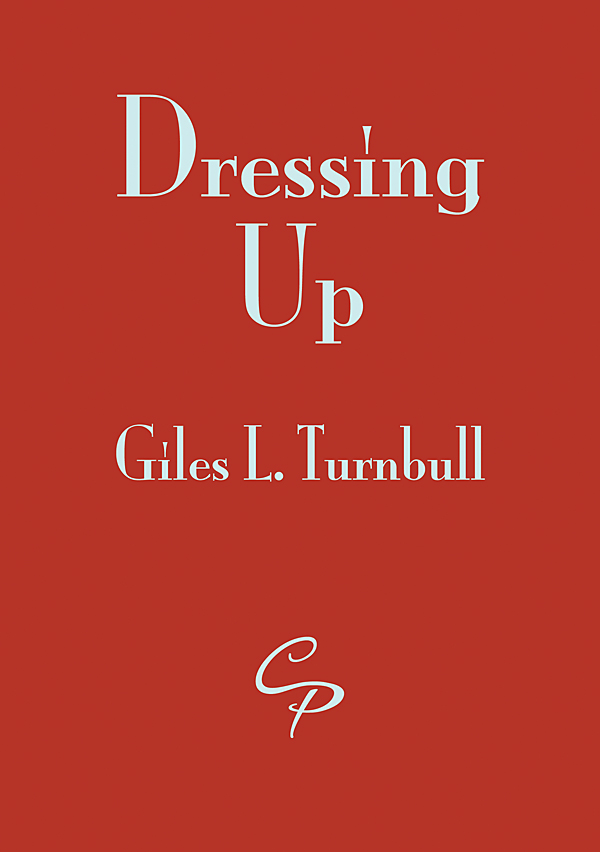
Books From The Pantry: Dressing Up by Giles. L. Turnbull: Reviewed by Claire Faulkner

On reading the collection Dressing Up by Giles L. Turnbull, published by Cinnamon Press, the first thing you notice is the beautiful use of language. The imagery is beautiful, and colours are used expertly throughout the collection to vividly describe situations and experiences. This kind of skilful writing allows the reader to experience each poem much more intensely, and to enjoy the collection as a whole, to a greater depth.

The poems all appear to be about getting ready, or the perception of getting ready for something. Time also seems to be a running theme throughout, clocks are mentioned repeatedly. The poem ‘Alarm’, which is a stunning start to the collection, contains both themes, and the language around the colour orange captured my imagination immediately.

The bands of wasps / sandwiched recurringly between black / more electric than the shock.

And the last line,

as we set the clocks / to wake us with a morning slap / for juice.

I read ‘Tomorrow’s Dancers’, a poem talking about the future over and over. It starts:

The future / flapping / like a flag in the metaphysical breeze.

This particular poem struck a cord with me, and with each new reading I found and saw something new within it.

The next step / hovering beneath the feet / of tomorrow’s dancers.

So clear and precise, but also inventive and thought provoking. The language is quite stunning.

I love to read powerful lines of poetry. We all know that type of line, the one that stays with you, and if you’re honest, you wish you’d written yourself. Giles spoils us by giving us line after line of wonderful verse.

‘Sharp’, one of my favourites from this collection is a surreal poem with a distinctive rhythm, especially when read aloud.

Underneath the blackness / in every day and every year / leaving me as Pharaoh of a thousand secrets / in the seizure of a collapsing star.

Followed by:

Beyond this blanket shrouded world / smothered sometimes suffocating / leaking light like a dripping tap / through puncture marks that say / this is where it stops.

This is a wonderful collection of verse. It has a strong contemporary style, and the first time I read it, I did find it slightly heavy going, but please stay with it. If you do, I’m sure like I did, you’ll find something amazing that you’ll read over and over again.

Giles’ Twitter


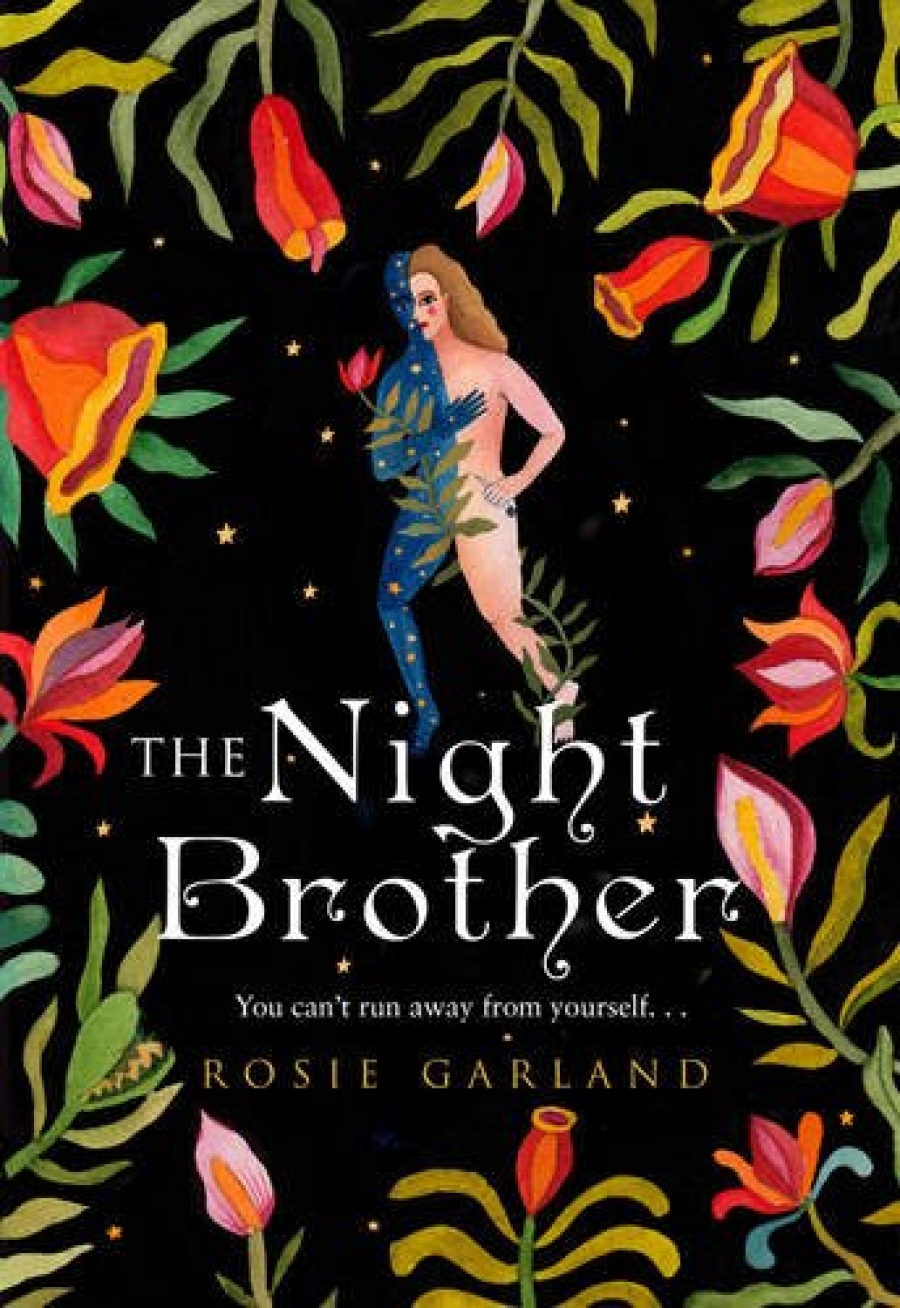
Books From The Pantry: The Night Brother by Rosie Garland: Reviewed by Giles Turnbull

I always find the most enjoyable reviews to write are when I know nothing of the plot, have not read anybody else’s reviews, and I turn the pages and find myself being sucked into the story. That was my experience of Rosie Garland’s novel, The Night Brother, published by The Borough Press.

The Night Brother is alive with a selection of curious characters and the sights and sounds of turn of the 20th century Manchester. Right from the start we meet the two main characters, Edie and Gnome, as they slip out of the bedroom window to head to a late night fireworks display. ‘I sit up and it sets off a yawn so wide it could swallow the mattress. He presses my lips together, shutting me up as tight as the bubbles in a crate of ginger beer.’

The novel is written from the first person perspective, with chapters alternating between Edie and Gnome. As the story progresses, the distinction becomes more and more blurred. This is a story about searching for identity, exploring gender identity, and gender rights battles.

Edie and Gnome are brother and sister. They live with their Ma and Nana above a pub called The Comet of which their Ma is landlord.

Edie: ‘Stroll through Hulme of an evening and you will be forgiven for imagining it a den of drunkards. Brave the labyrinth of streets, row upon row of brick-built dwellings black as burned toast, and there, upon each and every corner, you will find it: haven for the weary traveller, fountain for the thirsty man … The Comet, Sparkling Ales is etched upon one frosted window, Fine Stouts and Porter upon the other. A board stretches the width of our wall, announcing Empress Mild and Bitter Beer. Above the door and brightest of all, the gilt scroll of my mother’s name: Cecily Margaret Latchford, Licensed to sell Beers and Stouts. Come, it beckons. Enter, and be refreshed.’

Every scene springs to life through the descriptions and mannerisms of the characters. At the market you can almost reach in and help yourself from the jars of wine gums, slab toffee, liquorice, Pontefract cakes and coltsfoot rock on the confectionery stand. The narrative is colourfully described without being overwritten. Dropped into the scene you can experience the ground crunching with sugar and see the girl weighing out the sweets has a starved look: chewed-down nails and hair draggled in sticky ringlets; ‘You buying, or wasting my time?’ the girl trills pertly. ‘No money, no service.’

The Night Brother is a tale of two halves: day and night, men and women, acceptance and rejection, dependence and independence, contrasts and similarities, all underpinned by the tensions of the suffragette movement, and sexual suppression of desires and freedoms. It’s an uneasy atmosphere, Edie, Ma and Nana afraid of whatever gifts they possess, Gnome rash with the spirit of adventure and the urgent desire to prove himself a man.

Gnome: ‘It matters not what I’m racing from or to; all I know is that I am alive. I am a mucker, a chancer, a chavvy, a cove. I grab life by the neck and squeeze every drop into my cup. If it’s good, I’ll take it by the barrel. If it’s bad I’ll do the same. I take it all: the world and his wife, the moon on a stick and the stars to sprinkle like salt on my potatoes.’

The events become darker with violent confrontations between police and the suffragettes. Edie falls in love with a suffragette called Abigail and so does Gnome.

Part 2 brings the rebellion — Gnome increasingly masculine ‘Why shouldn’t I be the prince to scale her castle walls?’ and Edie more strongly feminine. Emboldened Edie heads to a library where she is greeted warmly by the librarian, who hands her a book of Greek and Roman mythology. ‘The library is refuge and escape rolled into one. A generous world that asks nothing of me save attentiveness and rewards me with gifts beyond measure. My self-education is intoxicating and sweet.’

It is only as the story draws to a close that we find out how the difficult decisions resolve. Will Edie and Gnome find a way to co-exist; can Ma and Nana accept themselves and their children? Will Abigail favour Gnome or Edie? How much does a quarter-pound of cough candy cost?

Rosie Garland’s Website

The Night Brother

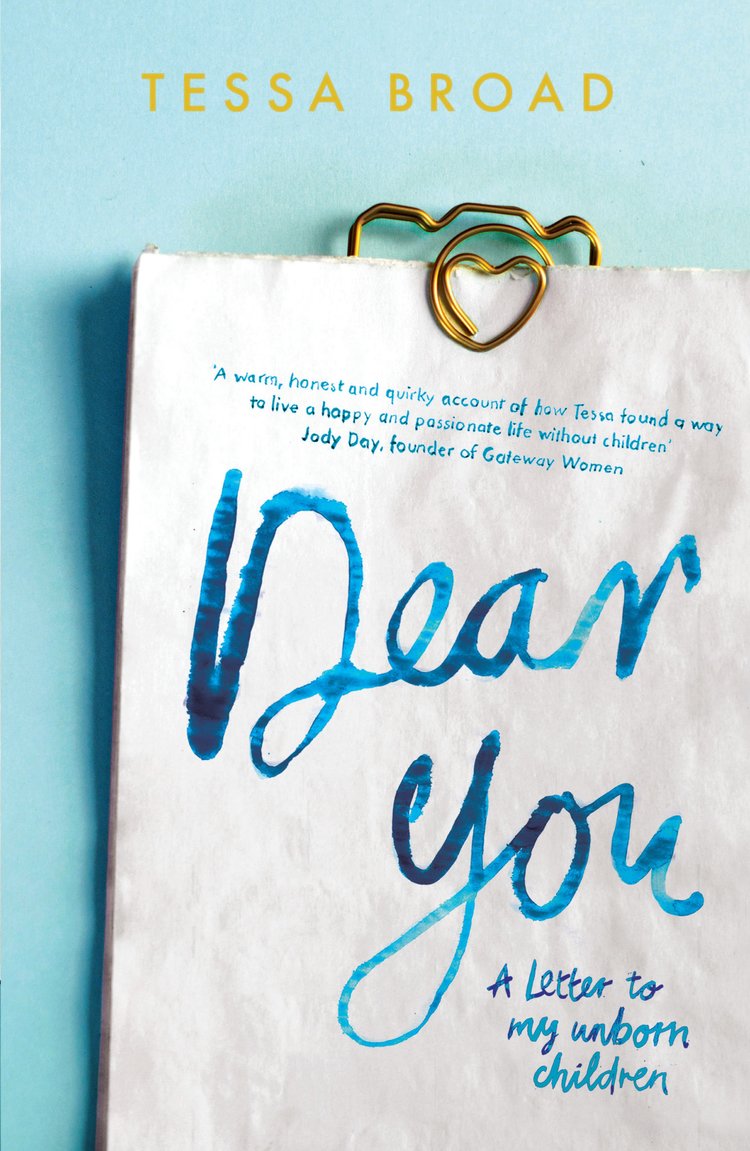
Books From The Pantry: Dear You by Tessa Broad: Reviewed by Berenice Smith


I was delighted to be asked to review Dear You by Tessa and her publishers Red Door Publishing. I read many books and in my life outside Walk In Our Shoes, work with authors and publishers for many years. My story of trying to be a mum is similar to Tessa’s and I was a little concerned that it would bring back memories I had tried to lay to rest.

So with trepidation I began to read Dear You, curled up on the sofa as the rain fell, quietly conscious that I’d picked it up a few days after the anniversary of a late miscarriage. It’s testimony to Tessa’s compassion and warmth which carries through every page, that I carried on reading. She opens the book with these words:

I’m writing to you simply because I feel that I know you, that I love you; and I’d like you to get to know me. I want this letter to feel like you have spent time with me and me with you.

Dear You is a letter to her unborn children. Her daughter Lily, and her siblings are written so vividly that it’s easy to forget that Tessa didn’t meet them. One cannot help feeling deeply sad when one remembers the context of the book and what a great mum she would have made.

That’s not to say that Dear You doesn’t lack grit. The details of the treatment isn’t easy reading if you’ve been through it or if you know someone who has. But the painful memories felt easier because Tessa’s narrative is accessible. At various points I wanted to give her a hug and say ‘yes me too’. Her feelings of bewilderment in a world of complex abbreviations is palpable and real. I too spent meetings scribbling down phrases, worrying about phone calls in open plan offices – all practical problems that are identifiable with any illness but arguably more powerful when ones hopes and dreams for a family depend on it.

Tessa doesn’t pull any punches when it comes to the procedures either. Having been there and done most, I don’t know that I’d want to read this before I began IVF but then again, perhaps I should have? With the benefit of Tessa’s observations, I may have known the questions I should have asked and the signs that I should have looked out for. This includes medical staff like Mr Pink, the tardy gynae with a people problem.

I appreciated the time Tessa took to speak about her relationships with honesty, detailing the struggles that treatment has on not just her, both those around her from friends to loved ones. From this comes the story of moving on. Tessa shares her advice which is incredibly sensible, accessible and based on the real world. I’ve read several books on life with involuntary childless that end with the author moving continents or taking dramatic lifestyle changes that can feel beyond the emotional and/or financial reach of many readers. Tessa’s wisdom is truthful and reflect the narrative of her story and her emotive journey.

Who should read Dear You? If you’re a survivor, I think you’ll find the book cathartic and you’ll feel like you’ve made a new friend. If you haven’t had treatment but want some help to move on, then read this book. If you’ve never been through IVF or endured infertility then I absolutely urge you to pick Dear You up and read it today. It’ll tell you so much and dispel so many myths. In short, please read this book.

I hope that it’s been an ultimately cathartic process for Tessa, despite having to dig deep as I’m sure she must have done and I applaud her fortitude. I know that I’ll be going out, buying more copies of Dear You to share with people and encouraging that it sits at the top of every reading list. I hope all book groups do, the world will be a much easier place for me, Tessa and all our communities too.

This review by Berenice Smith was originally published on Walk In Our Shoes